From Freelancer to Founder: How Animators Are Ditching the Studio Grind and Building Their Own Thing

For a long time, the path in animation looked pretty straightforward: build your portfolio, land a gig at a studio, work your way up. Maybe one day you'd make it to lead animator or creative director. That was the dream, and for a lot of people, it still is. But something's been quietly shifting over the past few years — a growing number of animators aren't waiting for the right studio to come calling. They're building their own.
Independent animation studios are popping up across the country, from Chicago to Austin to smaller markets that wouldn't have been on anyone's radar five years ago. And the people behind them aren't industry veterans with decades of connections. A lot of them are mid-career animators, former freelancers, and even recent grads who got tired of waiting for the right opportunity and decided to create it themselves.
What's Actually Driving This?
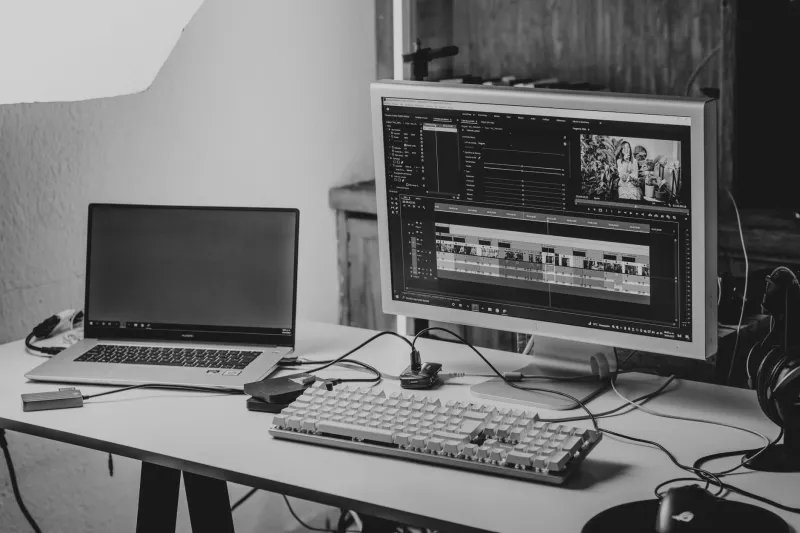
A few things converged at just the right moment. Remote work tools — cloud-based rendering, collaborative software like SyncSketch and Frame.io, and cheap-but-powerful hardware — made it genuinely feasible to run a small production operation without a physical studio space. That alone slashed overhead dramatically.
At the same time, the streaming wars created a massive appetite for content. And not just big-budget prestige animation — platforms were hungry for short-form content, branded animation, explainer series, and niche genre work that the major studios weren't set up to produce efficiently. That gap became a door.
"I kept pitching ideas internally and watching them die in development," says Marcus Teller, who co-founded Inkframe Studio in Nashville after nearly a decade at a mid-size production company. "Eventually I realized the barrier to just doing it myself was lower than I thought. The tools had caught up to where a small team could actually compete on quality."
Teller's experience isn't unusual. The friction that used to make indie studios impractical — expensive software licenses, the need for a physical render farm, the logistics of managing remote collaborators — has been dramatically reduced.
The Business Stuff Nobody Taught You in Art School
Here's where a lot of creatives hit a wall. Knowing how to animate is one thing. Running a company is something else entirely, and the founders who've made it through the early chaos are pretty candid about what blindsided them.
Contracts are non-negotiable. This sounds obvious, but plenty of early-stage founders try to operate on handshakes and email threads. Get a solid client services agreement in place before you do a single frame of work for anyone. The cost of a lawyer to draft a template contract is nothing compared to the cost of a dispute with a client who suddenly has different expectations about revision rounds.
Your rate isn't just about your time. When you're freelancing, you might charge by the hour or by the project. When you're running a studio, your pricing has to account for overhead, software, contractor fees, your own salary, and a buffer for the months when work is slow. A lot of new founders underprice themselves badly in the beginning and then wonder why they're burning out.
Cash flow is its own full-time job. Animation projects often run on milestone payments — you get paid when you deliver certain assets, not when you start. That can mean weeks of work before money comes in. Having a cash reserve (most advisors suggest three to six months of operating expenses) before you launch isn't just good advice, it's survival.
Jessica Huang, who started Brightline Animation in Portland three years ago, puts it plainly: "I wish someone had sat me down and explained accounts receivable before I sent my first invoice. I had clients paying 60, 90 days late, and I didn't know I could — or should — push back on that."
The Realistic Roadmap
So what does a sensible path to founding your own animation studio actually look like? Here's a framework that keeps coming up in conversations with founders who've navigated it successfully.
Start with a niche, not a general offer. The studios that struggle earliest are the ones trying to do everything — commercials, explainers, short films, social content. Pick a lane. Maybe you're the studio that does motion graphics for tech companies. Maybe you specialize in 2D character animation for children's educational content. A specific niche makes marketing easier and helps you build a reputation faster.
Keep your day job longer than you want to. It's tempting to go all-in the moment you land your first client. Resist it. Use that initial client revenue to build savings, refine your process, and stress-test your workflow before you're fully dependent on it.
Build your network before you need it. Other animators, voice actors, composers, sound designers — these are the people you'll be calling when a project suddenly needs to scale up. Cultivating those relationships before you have a deadline breathing down your neck makes everything smoother.
Think about your exit strategy from day one. This doesn't mean planning to sell — though some founders do eventually get acquired or merge. It means building systems and documentation so the studio isn't completely dependent on you personally. That's what turns a freelance operation into an actual business.
Is It Right for You?
Entrepreneurship in animation isn't for everyone, and there's no shame in that. The traditional studio path still offers real advantages — stability, benefits, mentorship, and the creative energy of working alongside a large team. For plenty of animators, that's exactly where they want to be, and that's a completely valid choice.
But if you've been sitting with a business idea, a niche you're passionate about, or just a persistent feeling that you want more control over the work you do and who you do it for — the conditions right now are about as favorable as they've been in a long time.
The tools exist. The demand exists. And there's a growing community of indie studio founders who've already figured out a lot of the hard stuff and are pretty willing to share what they know.
Sometimes the job you're looking for is the one you build yourself.