Why Animation's Best Are Walking Out the Door — And Studios Have No Idea How to Stop It
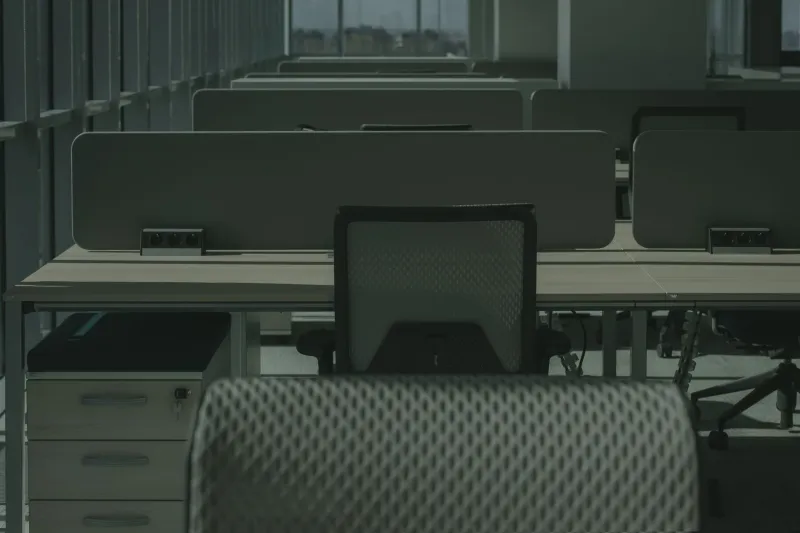
Something significant is happening inside animation studios across the US, and it goes beyond the usual cycle of layoffs and rehires. Experienced professionals aren't just switching desks — many are leaving the industry entirely, and the roles they're vacating are staying empty longer than anyone expected. If you've been paying attention to job postings, studio announcements, or even just conversations at industry meetups, you've probably felt the shift. The talent pool isn't shrinking, exactly. It's redistributing — and not always in ways that benefit traditional studios.
The Numbers Behind the Noise
It's easy to dismiss the chatter as industry anxiety, but the data tells a more complicated story. According to workforce tracking in the entertainment sector, turnover rates in animation have been running notably higher than pre-2020 levels, with mid-career professionals — those with five to fifteen years of experience — representing the most mobile segment. That's not entry-level churn. That's institutional knowledge walking out the door.
What's particularly striking is the split between two very different types of departures. A significant portion of movement involves lateral switches: animators, riggers, and technical directors hopping between studios chasing better pay, more interesting projects, or simply a healthier working environment. That's always been part of the industry's rhythm. But layered on top of that is a quieter, more consequential trend — seasoned professionals who are leaving animation altogether. Some are moving into adjacent fields like UX motion design, game development, or virtual production. Others are going fully independent, building client rosters outside the traditional studio pipeline. A smaller but notable group is exiting creative industries entirely.
Which Roles Are Hardest to Fill Right Now
Not every position is bleeding equally. If you talk to studio HR teams or production supervisors, certain roles keep coming up as genuinely difficult to staff. Technical directors with pipeline experience are near the top of that list. The overlap of artistic sensibility and deep software knowledge required for TD work is rare, and those professionals have options well beyond animation studios — tech companies and game developers are actively recruiting them at compensation levels most mid-sized animation houses simply can't match.
Experienced character animators, particularly those with feature-quality credits, are also increasingly scarce in the traditional hiring pool. The irony is that demand for their skills hasn't dropped — if anything, the expansion of streaming content has kept that demand elevated. But supply has tightened as veterans reassess whether the studio model is still working for them.
Production managers and coordinators with animation-specific experience represent another persistent gap. These roles don't always get the spotlight, but they're the connective tissue of any production. When that institutional knowledge leaves, projects feel it immediately.
The Domino Effect Across Studio Types
The impact isn't uniform. Large studios with strong brand recognition and deep pockets are absorbing the strain better than smaller outfits, but even they're feeling pressure. When a major studio loses a cluster of experienced talent, they can often recruit aggressively to backfill — though increasingly at higher costs and with longer timelines than before.
Mid-sized studios are in a tougher spot. They often can't compete on salary with the big players, and they don't have the brand prestige to attract talent purely on reputation. Many are finding themselves caught in a cycle where they develop promising junior artists, only to watch them get poached by larger studios once they've built their skills.
Smaller boutique studios and independent production companies face a different version of the problem. For them, losing even one or two key people can fundamentally disrupt a production. And because their margins are tighter, the cost of extended job searches — or of bringing on the wrong hire quickly — is disproportionately damaging.
Geographically, the picture is uneven too. Los Angeles and New York remain the gravitational centers of the industry, but the remote work normalization that happened during the pandemic reshuffled some of those dynamics. Studios in secondary markets that embraced remote production found themselves able to attract talent they previously couldn't. But that same flexibility also made it easier for animators to work for studios anywhere — including international ones — without relocating, which dilutes the local talent pools that regional studios depend on.
Correction or Fundamental Shift?
Here's the question that keeps coming up in every serious industry conversation: is this a market correction, or are we watching something more permanent?
The argument for a temporary correction goes like this — the industry went through a dramatic expansion during the streaming boom, studios over-hired, the contraction was painful but predictable, and things will stabilize as production slates normalize. There's real evidence for this view. Hiring in some segments has already begun recovering, and experienced professionals who stepped away are being courted back.
But the argument for a structural shift is harder to dismiss. The animators who left aren't all waiting to come back. Many have built alternative revenue streams — through independent clients, YouTube channels, online courses, or freelance platforms — that offer something studios have consistently failed to provide: stability without the crunch, creative ownership, and compensation that doesn't require constant negotiation. For a meaningful slice of the talent pool, the studio model has been stress-tested and found wanting.
The rise of AI tools is adding another layer of complexity. While AI isn't replacing animators wholesale, it is changing the skill composition studios are looking for. Some experienced professionals whose expertise is concentrated in areas being automated are finding their leverage diminished. Others, particularly those who've adapted their skill sets, are in higher demand than ever. The net effect on talent distribution is still playing out.
What Studios Are — and Aren't — Doing About It
Some studios are responding thoughtfully. Improved mental health benefits, clearer project-end policies, more transparent compensation bands, and genuine flexibility on remote work are all showing up in job postings in ways they didn't five years ago. Studios that have invested in their culture aren't just being altruistic — they're protecting their ability to hire.
But plenty of studios are still treating this as a compensation problem with a simple fix. Throw more money at the roles that are hardest to fill, assume the talent will come back once the market tightens, and otherwise keep operating the same way. That approach may work in the short term. The professionals who've rebuilt their lives outside the studio system aren't likely to return for a modest pay bump alone.
For animators navigating this landscape, the current moment is genuinely unusual. Leverage exists for experienced professionals in ways it hasn't for years — but so does uncertainty. Understanding which studios are making real changes versus cosmetic ones has never mattered more. The talent is out there. The question is whether studios are willing to do what it actually takes to earn it back.