After the Layoffs: Where Displaced Animators Are Actually Ending Up (And What That Means for You)
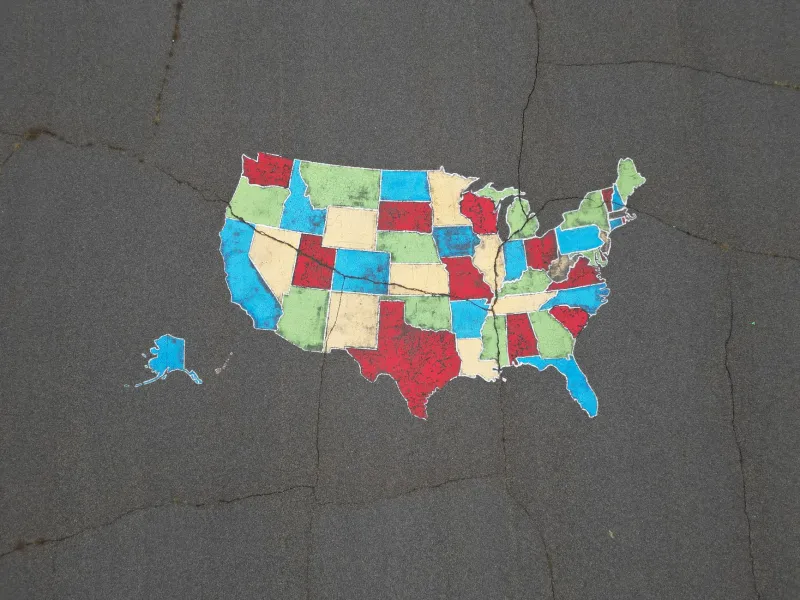
The animation industry has had a rough couple of years. Studio consolidations, streaming budget cuts, and project cancellations have pushed thousands of talented artists out of jobs they thought were stable. It's been brutal, no question. But here's the thing nobody's talking about loudly enough: all that displaced talent has to go somewhere. And the patterns of where it's going are genuinely fascinating — and potentially really useful if you're plotting your next career move.
We dug into hiring data, LinkedIn migration patterns, and conversations with recruiters across the industry to figure out where the bodies — er, artists — are actually landing. What we found challenges a lot of assumptions about where animation work lives in this country.
The Obvious Moves That Aren't So Obvious Anymore
Let's start with what you'd expect. When a major LA studio does a round of layoffs, conventional wisdom says the affected artists either hustle for the next big studio gig in Los Angeles or pack up for Vancouver. And sure, that still happens. But it's happening a lot less than it used to, for a couple of reasons.
First, the LA market is genuinely saturated right now. When multiple studios are cutting at the same time, you get a flood of senior-level talent competing for a shrinking number of openings. That's tough for anyone, but especially brutal for mid-career artists who don't have the name recognition of a veteran but don't have the cheap price tag of a junior.
Second, Vancouver — long the go-to escape hatch for American animators — has gotten complicated. Tax credit changes and increased competition from other Canadian provinces have made it a less automatic choice than it once was.
So where are people going?
The Unexpected Hubs Quietly Absorbing Talent
Austin, Texas keeps coming up in conversations with recruiters. The city has been building its entertainment and tech infrastructure for years, and it's starting to pay off in animation specifically. Several mid-sized studios and a growing number of game companies with animation needs have set up shop there, and they're actively targeting laid-off LA talent with cost-of-living pitches that are genuinely hard to argue with.
Atlanta is another one. Georgia's film and TV tax incentives have been well-documented, but the downstream effect on animation — particularly in visual effects and hybrid live-action/animation production — is still underappreciated. Studios that follow film production tend to build animation pipelines nearby, and Atlanta is seeing exactly that.
New York is reclaiming some ground it lost to LA over the past decade. The city's advertising, media, and publishing sectors have always needed animation talent, but there's been a notable uptick in longer-form animation work coming out of New York-based studios and production companies. Artists who got squeezed out of feature film pipelines are finding a surprisingly robust market there in commercial and branded content.
Remote-first studios deserve their own category entirely. A significant chunk of displaced talent isn't relocating at all — they're getting absorbed by studios that were built from the ground up to operate remotely. These companies, many of them younger and more agile than traditional studios, have been quietly cherry-picking senior talent from the layoff pools. They can offer competitive rates without the overhead of a physical production space, and for artists burned out on the politics of big studio culture, the appeal is real.
The Game Industry's Quiet Hiring Spree
This one's worth dwelling on. The video game industry has been one of the most consistent absorbers of displaced animation talent over the past 18 months. Game studios — particularly mid-sized ones working on narrative-heavy titles — need character animators, riggers, and technical artists with exactly the kind of experience that feature film and TV pipelines produce.
The adjustment period can be real. Game animation has different technical requirements and a different creative rhythm than film. But studios are increasingly willing to hire experienced film animators and invest in that transition, because the foundational skills transfer well and the alternative is competing for a limited pool of game-native talent.
If you've been laid off from a film or streaming project and haven't seriously looked at game studios, you might be leaving a significant opportunity on the table.
What the Migration Patterns Tell Us About Timing
Here's the strategic insight buried in all of this: layoffs create opportunity windows, but those windows close. When a major studio announces cuts, there's typically a 60-to-90-day period where the companies positioned to absorb that talent move fast. They know the talent is available, they know it won't stay available forever, and they're motivated to act.
For job seekers, this means the time to move is early in a disruption cycle, not after everyone else has figured out what's happening. If you're watching news of studio layoffs and thinking "I'll wait to see how this shakes out," you may be watching the best opportunities get filled while you wait.
For artists who weren't laid off, it's worth paying attention too. A market flooded with senior talent can compress salaries and make it harder to negotiate. Knowing which sectors and regions are actually hiring — rather than just which ones are making noise — helps you make smarter decisions about where to focus your energy.
How to Actually Use This Information
Okay, so what do you do with all of this?
Follow the talent, not just the job postings. When you see a cluster of experienced artists from a specific studio showing up in a new city or sector on LinkedIn, that's a signal worth paying attention to. They're often ahead of the public job listings.
Expand your geographic search deliberately. If you're only looking at LA and New York, you're missing real activity in Austin, Atlanta, and a handful of other markets that are growing faster than the traditional hubs right now.
Take the game industry seriously. It's not a consolation prize — it's a legitimate and in many cases more stable career path than feature film pipelines have proven to be lately.
Move fast when disruption happens. The opportunity window after a major layoff announcement is real, but it's short. Having your portfolio and resume ready to go before you need them is the difference between catching that window and missing it.
The animation industry is going through a genuine structural shift, and the old assumptions about where careers are built and where work lives are getting rewritten in real time. The artists who end up on the right side of that shift are mostly the ones paying close attention to where things are actually moving — not where they used to be.