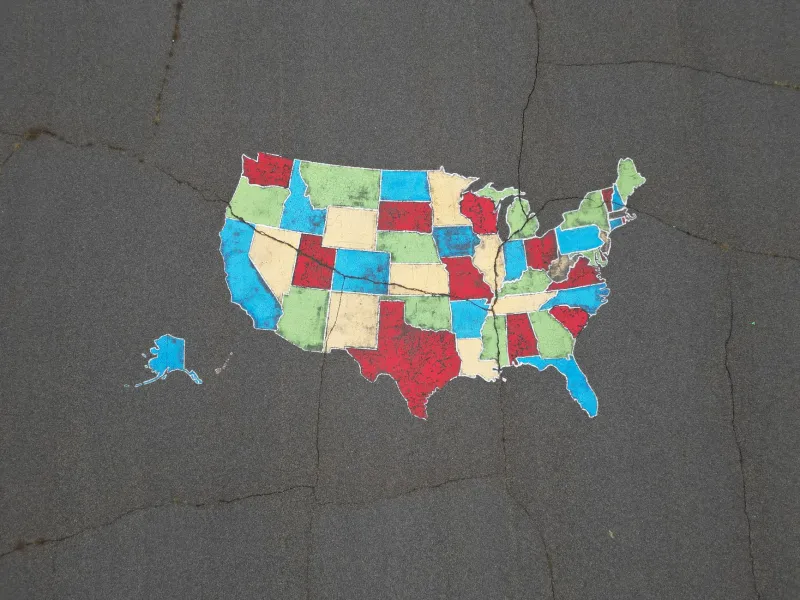
Packed Up and Thriving: The Animators Who Left LA and NYC Behind — and Never Looked Back
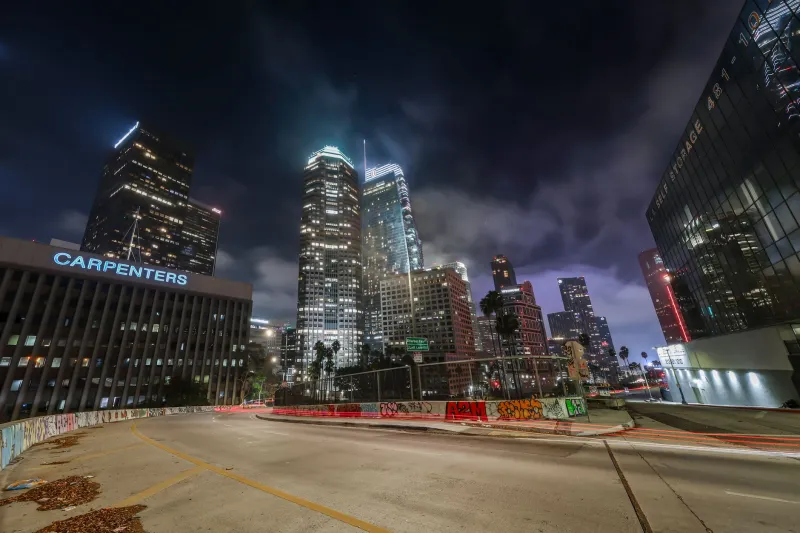
For a long time, the mental model was simple: if you were serious about animation, you moved to Los Angeles or New York. End of story. The studios were there, the networking events were there, the industry whisper network was there. Anywhere else felt like a consolation prize.
That mental model is cracking.
Over the past few years — accelerated hard by the pandemic, the remote work experiment, and a brutal cost-of-living squeeze in both coastal metros — animation work has been quietly spreading into cities that weren't on anyone's radar five years ago. Studios are relocating, expanding into satellite offices, or being built from scratch in places like Atlanta, Austin, Albuquerque, and a handful of smaller markets that are aggressively positioning themselves as creative hubs. Animators are following. And a lot of them aren't coming back.
Why the Old Geography Stopped Making Sense
Let's be honest about what living in LA or New York actually costs an animator. Median rent in Los Angeles for a one-bedroom hovers around $2,200 a month. In Manhattan, you're looking at closer to $3,500. When you're a mid-level animator pulling in $75,000 to $90,000 a year — solid money in most of the country — those numbers eat your paycheck alive.
For years, animators accepted that trade-off because proximity to the industry felt non-negotiable. But remote production pipelines changed the calculus. Once studios demonstrated they could ship finished projects with distributed teams during the pandemic, the geographic argument started to weaken. If you can collaborate with a director in Burbank from your laptop, why does your apartment need to be twenty minutes from the studio?
The answer, increasingly, is that it doesn't.
The Cities Quietly Winning the Talent Race
Atlanta has been the most visible beneficiary of this shift. Georgia's film and television tax incentives — some of the most generous in the country — have been pulling live-action productions south for over a decade. Animation has followed, partly because studios that already have Georgia operations find it natural to expand their animation divisions there. The city now has a legitimate pipeline of local animation talent coming out of programs at SCAD's Atlanta campus and Kennesaw State, and the cost of living relative to LA is dramatically lower. A senior animator's salary goes considerably further when rent on a two-bedroom apartment runs $1,600 instead of $2,800.
Austin has a well-documented reputation as a tech and creative magnet, but its animation scene has matured quietly over the past few years. Several mid-sized studios have established Austin outposts, and the city's general creative energy — music, film, gaming — creates the kind of cross-industry networking that animation careers often depend on. Texas has no state income tax, which is a detail animators who've done the math tend to bring up pretty quickly.
Albuquerque and Santa Fe in New Mexico represent a more surprising entry on this list, but New Mexico's film incentive program is legitimately aggressive, and the state has been working hard to build the production infrastructure to back it up. A small but growing animation community has taken root there, drawn partly by the incentives and partly by a quality of life that's genuinely difficult to replicate in a coastal megacity.
Columbus, Ohio might be the dark horse. The city has made deliberate investments in its creative sector, and its cost of living is dramatically lower than coastal alternatives. A handful of animation and motion graphics studios have set up shop there, and the city's proximity to major Midwest markets gives it a logistical profile that's more useful than it might initially seem.
What Animators Who Made the Move Actually Say
The recurring theme from animators who've relocated to these emerging markets isn't just financial relief — it's headspace. When you're not spending three hours a day commuting or working a second job to cover rent, your creative energy actually goes somewhere useful. Several animators who left LA in the last few years describe the same arc: initial anxiety about being "out of the loop," followed by the realization that the loop was mostly just noise.
Remote and hybrid work arrangements have helped enormously. Animators in Columbus or Albuquerque can still take contracts with LA or New York studios, join Zoom calls with directors on the West Coast, and maintain industry relationships without maintaining a West Coast cost of living. The professional isolation that used to come with leaving a major market is much less severe than it was even five years ago.
That said, it's not uniformly rosy. Animators in emerging markets sometimes report that local job markets are thinner — fewer openings, less variety in the types of projects available. If you want to work exclusively in feature film, for example, your options outside LA and New York are still limited. The emerging hubs tend to skew toward commercial work, gaming, streaming content, and episodic television rather than theatrical animation.
What Studios Are Actually Doing
The studio side of this story is equally interesting. Larger studios are increasingly using regional offices as a way to access talent pools that aren't as picked-over as the LA market. Smaller independent studios are being founded in these cities specifically because the overhead is lower and the quality-of-life pitch makes recruiting easier — especially for artists who've already done their time in a coastal city and are ready for something different.
Some studios in emerging markets are also leaning into their location as a differentiator. The argument goes something like this: we can offer you interesting work, a real salary, and a life outside of work — something a lot of LA studios structurally can't promise.
Before You Pack the Moving Truck
If this is making you think seriously about a geographic pivot, a few things worth researching before you commit:
- Local studio density. Some cities have a handful of strong studios; others have one or two anchor employers and not much else. Know what you're walking into.
- Remote work policies. If you're planning to work remotely for a studio in another city, confirm that the studio's policies actually support it long-term — not just as a pandemic holdover.
- Industry community. Networking matters regardless of where you live. Look for local animation meetups, ASIFA chapters, or university programs that generate a creative community you can plug into.
- Career trajectory. Think about where you want to be in five years. Some emerging markets are growing fast enough that the opportunity curve is genuinely exciting. Others may plateau.
The animation industry's geography is genuinely in flux right now, and that's actually good news for anyone who's been priced out of a coastal city or just exhausted by the trade-offs that come with living in one. The best animation career you've ever had might be waiting for you somewhere you've never seriously considered. Worth at least looking at the map.