Locked Out: How the US Visa System Is Costing Animation Studios Their Best Hires
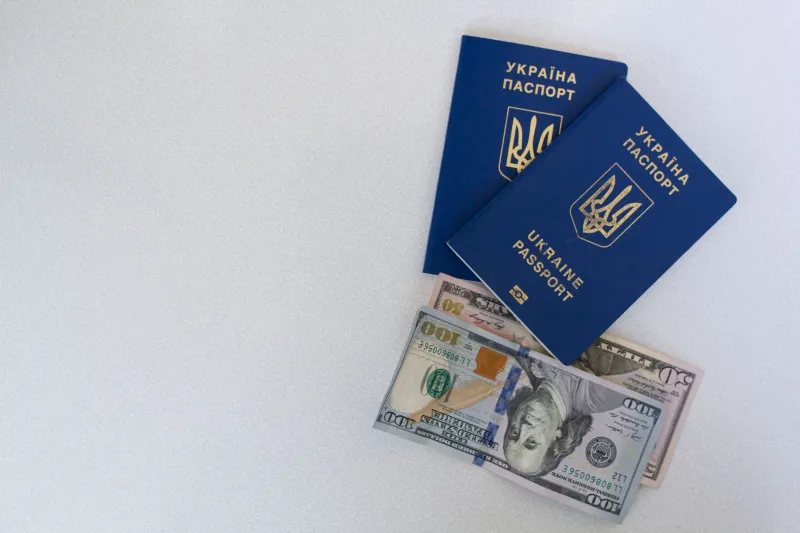
Every spring, animation studios across the US hold their breath. Not over a greenlight decision or a production deadline — but over a random lottery that determines whether the international artist they've spent months recruiting will actually be allowed to work for them. The H-1B visa system, the primary mechanism for bringing skilled foreign workers into the US, has become one of the animation industry's most frustrating and least-talked-about bottlenecks.
And it's getting worse.
The H-1B Problem, Explained for People Who Aren't Immigration Lawyers
Here's the basic situation: the US caps H-1B visas at 85,000 per year. That sounds like a lot until you realize that in recent years, US Citizenship and Immigration Services (USCIS) has received upward of 400,000 to 500,000 registrations in a single cycle. That means your odds of being selected hover somewhere around 20% in a good year — and the lottery is genuinely random.
For a studio that's identified a specific animator with a rare skill set — say, a character rigger who specializes in creature animation, or a 2D effects artist trained in a technique that's barely taught in US schools — that randomness is maddening. You can't plan a production pipeline around a coin flip.
And if an artist isn't selected? They go back to the bottom of the pile and try again next year. Or they don't, because by then they've taken a job somewhere else.
Real People, Real Limbo
Take the case of a Korean animator — we'll call her Jiyeon — who spent two years trying to land a role at a mid-sized California studio known for its stylized action content. She'd done a remote contract stint during the pandemic, her work was exceptional, and the studio wanted to bring her on full-time. They filed her H-1B registration twice. Both years, she wasn't selected.
By year three, Jiyeon had accepted a position at a studio in Canada. The US studio lost her permanently.
This isn't an isolated story. Talk to hiring managers at studios in Los Angeles, New York, or Austin, and you'll hear variations of it constantly. A Brazilian storyboard artist who aged out of the process. A French technical director who got selected but faced a nine-month processing delay that blew up his start date. An Indian animator who's been on an H-1B for six years and can't get a green card because the employment-based backlog for Indian nationals stretches decades into the future.
The talent is there. The jobs are there. The system is the wall.
Why Animation Specifically Feels This Pain
Animation isn't always the first industry that comes to mind when people talk about H-1B workers — that conversation tends to center on tech. But the animation industry is deeply international by nature. Training programs in South Korea, France, Spain, Canada, and Brazil produce world-class talent. Many of the most in-demand specialists — hand-drawn animators, ink-and-paint artists, certain categories of VFX artists — are disproportionately trained abroad.
US animation programs are strong, but they don't produce unlimited graduates with every niche skill a studio might need. When a production calls for a specific style or technique, studios go where that expertise lives. And increasingly, that expertise lives outside the US.
The H-1B cap was set in 1990. The animation industry in 1990 looked nothing like it does today. The cap has never been meaningfully updated to reflect the realities of a globalized creative economy.
What Studios Are Actually Doing About It
Facing a system they can't control, studios have gotten creative — sometimes in ways that work, and sometimes in ways that are more workaround than solution.
Building satellite studios abroad. Several major studios have quietly established or expanded production hubs in countries with more permissive work authorization systems — Canada being the most obvious example, partly because of geographic proximity and partly because of generous provincial tax incentives. Instead of bringing the artist to the US, they're moving the work to where the artist can legally be. It's not ideal for studios that want centralized teams, but it keeps talent in the pipeline.
Leaning into fully distributed models. Some studios have stopped trying to hire international artists as US employees entirely, instead building long-term contractor relationships with artists overseas. This sidesteps the visa issue but introduces its own complications around IP ownership, time zone coordination, and the lack of employment protections that come with full-time status.
O-1 visas as an alternative. The O-1 visa — designed for individuals with "extraordinary ability" in their field — doesn't have a lottery cap. Studios working with genuinely elite international artists have had success pursuing this route, though the bar is high and the legal costs are significant. It's not a scalable solution for most hiring needs, but it works for specific high-profile cases.
Sponsoring green cards earlier. Studios that are serious about retaining international employees long-term have started initiating green card sponsorship earlier in the process — sometimes before an H-1B is even fully processed — to get workers into the employment-based immigration queue sooner. Given the multi-year backlogs for certain nationalities, the earlier you start, the better.
The Business Cost Nobody Wants to Talk About
Here's what gets lost in the policy debate: studios aren't just losing individual hires when the visa system fails them. They're losing institutional knowledge, creative diversity, and competitive edge.
Animation is a global industry. The best content studios are producing right now — across streaming, gaming, film, and advertising — reflects a mix of cultural perspectives and technical traditions that you simply can't get from a single country's talent pool. When studios can't hire the international artists they want, they're not just filling a seat with someone else. They're making a creative compromise.
Meanwhile, Canada, the UK, France, and South Korea are all actively courting international animation talent with streamlined visa pathways and financial incentives. The US isn't the only game in town anymore, and the H-1B system is making it easier for other countries to poach talent that might otherwise have come here.
What Needs to Change (And What You Can Do Right Now)
The honest answer is that meaningful reform to the H-1B system requires congressional action, and nobody should hold their breath on that front. Industry advocacy groups like The Animation Guild have pushed for immigration reform as part of broader workforce policy conversations, but progress is slow.
In the meantime, if you're a studio: talk to an immigration attorney before you start recruiting internationally, not after. Understand your O-1 options. Think seriously about whether a distributed or hybrid structure could expand your access to global talent without the visa dependency.
If you're an international animator trying to break into the US market: the path is real but it's not straight. Build relationships with US studios through remote work and freelance contracts first. Document your achievements in ways that could support an O-1 case down the line. And don't put all your eggs in the H-1B basket — Canada, in particular, has robust animation industry infrastructure and a much cleaner path to permanent residency.
The animation industry has always figured out how to tell stories across borders. It'll figure this out too — but right now, the system is making it harder than it needs to be.